Funny Blue Bird Embroidery: A Designer’s Review
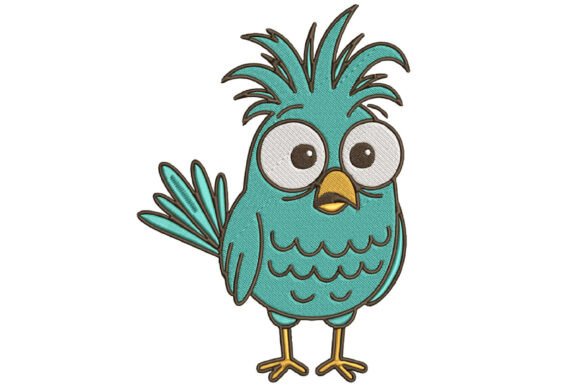
As an embroidery designer who has stitched out thousands of files for both personal joy and commercial client work, I approach every new machine embroidery design with a critical eye. It is not enough for a graphic to look cute on a screen; it must translate into thread, texture, and tangible value. When evaluating the Funny Blue Bird Embroidery, my first impression was one of immediate charm balanced by practical curiosity. The teal-blue colorway suggests a playful, modern aesthetic that steers clear of overly traditional or stiff wildlife art. This isn't just a bird; it is a character with personality, designed to evoke a smile rather than simple admiration for ornithological accuracy.
For fellow makers, Etsy sellers, and apparel decorators, this distinction matters. We aren't just selling stitches; we are selling emotion and utility. The large, expressive features mentioned in the product description indicate a design that relies on bold shapes rather than microscopic detail. From a production standpoint, this is excellent news. Designs that prioritize clear silhouettes and expressive faces over hyper-realistic feather shading tend to stitch out cleaner across a wider variety of fabrics. They are more forgiving on textured materials and remain legible at smaller sizes, making this Funny Blue Bird Embroidery a versatile candidate for everything from nursery decor to boutique merchandise.
Real-World Application: Stitching for Retail and Gifts
To truly judge this embroidery file, I mentally placed it into a current production scenario: creating a line of personalized canvas tote bags and lightweight sweatshirts for a spring craft fair. In this context, the design needs to perform double duty. It must be visually striking enough to catch a shopper's eye from five feet away, yet detailed enough to justify a premium price point when inspected up close.
On a natural canvas tote bag design, the teal-blue bird would provide a beautiful contrast against the unbleached fabric. Because the design features "whimsy and personality," it lends itself perfectly to placement near the bottom corner or centered above a monogram. For sweatshirt embroidery, specifically on heather grey or cream fleece, the expressive nature of the bird transforms a basic garment into a conversation piece. I can envision this working exceptionally well for baby embroidery projects as well. The lack of aggressive colors or sharp, dense outlines makes it suitable for soft cotton knits used in onesies or bibs, provided the stitch density is managed correctly to prevent puckering.
For those running a craft business or managing an online shop, this design offers strong merchandising potential. It fits the "cottagecore" and "whimsical animal" niches that currently drive significant traffic on platforms like Etsy. However, its success depends entirely on execution. A finished product featuring this bird should feel intentional. If you are using it for commercial embroidery, consider how it pairs with other assets. Does it match your brand’s existing font choices? Can it be resized for a tag, a patch, and a full-back print without losing integrity? These are the questions that separate hobbyists from professional creators.
Technical Considerations and Fabric Limitations
While the aesthetic is appealing, technical prudence is required. As with any digital embroidery file, you must verify the specific attributes before committing to a bulk order or final gift. The product description highlights the bird's expression, which likely involves complex eye detailing or facial contours. In machine embroidery, these areas are often where registration issues occur. If the satin stitch outlining the eye is too thin, it may get lost in the nap of a towel. If it is too thick, it may create a hard, plastic-like texture on a baby blanket.
I strongly advise testing this design on scrap fabric that matches your intended project weight. Pay close attention to the following:
- Stabilizer Selection: For stretchy knits or sweatshirts, use a cut-away stabilizer to maintain the shape of the bird over time. Tear-away may distort the expressive features after washing.
- Fabric Texture: On high-pile fabrics like terry cloth or plush, use a water-soluble topping. Without it, the teal-blue fill stitches may sink into the fabric, dulling the vibrancy and obscuring the funny details.
- Hoop Size Verification: Ensure your hoop size accommodates the design without requiring excessive re-hooping. Multi-hoop designs increase the risk of alignment errors, which can ruin the symmetry of the bird’s face.
- Thread Color Contrast: The teal-blue is specific. Test it against dark fabrics like navy or black. You may need to adjust underlay or add a white base layer to ensure the color pops and doesn't blend into the background.
Be cautious when applying this to curved surfaces like caps. Unless the design is specifically digitized for hats (with a center-out stitch path and appropriate height), the distortion on a curved brim could warp the bird's expression from "funny" to "unsettling." Always review the digitizing notes or run a cap-specific test if you intend to use this for headwear.
Elevating Product Value Through Design Choices
The difference between a generic embroidered item and a sought-after handmade product often lies in the cohesion of design and substrate. Funny Blue Bird Embroidery has the potential to elevate your catalog because it carries an inherent narrative. Customers don't just buy a bird; they buy the feeling of lightheartedness it represents. When photographing your work for printable mockups or listing photos, style the item to reinforce this mood. Pair the embroidered tote with wildflowers, or stage the sweatshirt in a cozy, sunlit setting.
For Etsy sellers and small shop owners, consistency builds trust. If you adopt this design as part of a collection, ensure your other elements support it. Use complementary thread colors for borders or text. If the bird uses a specific type of fill stitch (like a tatami or bean stitch), try to echo that texture in accompanying monograms or frames. This visual harmony signals professionalism and justifies higher pricing. Furthermore, always confirm licensing terms before selling. Knowing you have the right to use the design commercially protects your business and allows you to market your products with confidence.
Designer Notes for Successful Execution
Before you load this embroidery project into your machine for a final run, treat the process as a collaboration between the digitizer and yourself. The digitizer has provided the map, but you are navigating the terrain. Check whether the design includes adequate underlay for the fabric you have chosen. If you are stitching on a thin, sheer fabric for a personalized gift, you might need to reduce density manually in your software to prevent tearing.
Consider the longevity of the item. Will this custom apparel be washed frequently? If so, ensure the thread type is colorfast and durable. Polyester threads generally hold up better than rayon for children’s items or kitchen textiles. Also, think about the negative space. Sometimes, what you don’t stitch is as important as what you do. Leaving some fabric visible around the bird can enhance the whimsical feel and reduce overall stitch count, making the garment softer and more wearable.
Ultimately, Funny Blue Bird Embroidery represents a delightful opportunity for creative entrepreneurs. It bridges the gap between technical feasibility and emotional resonance. By approaching it with a tester’s mindset and a designer’s sensibility, you can transform a digital file into a cherished physical object. Whether it becomes a bestseller in your shop or a beloved family heirloom, its success will depend on your thoughtful application of embroidery fundamentals. Respect the design, understand your materials, and let that charming teal-blue bird bring genuine joy to your next creation.