Lucky Era Embroidery Design: A Designer’s Review for Business Branding
First Impressions: Elegant, Festive, and Brand-Ready
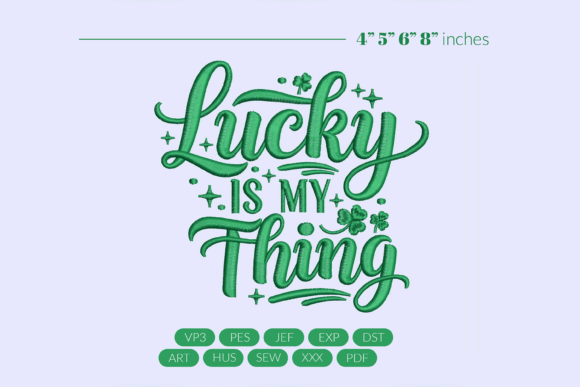
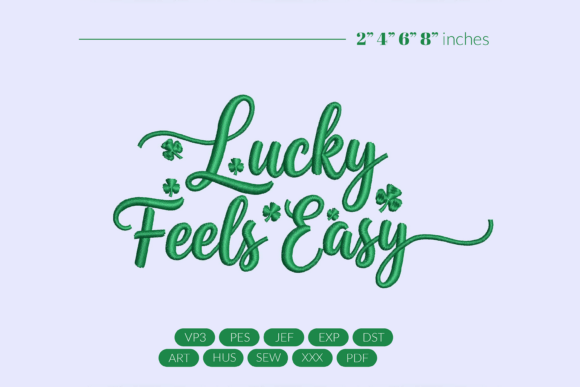
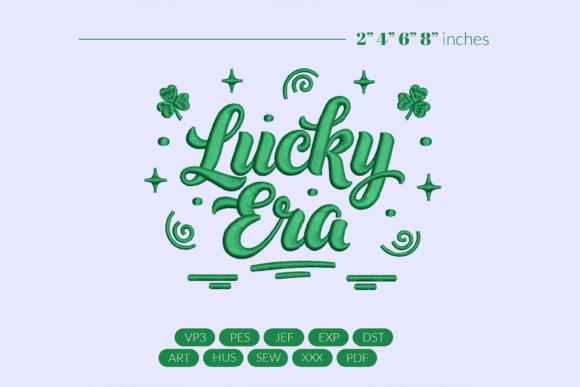
As an experienced embroidery designer, the Lucky Era Embroidery Design immediately stands out with its elegant script and festive flair. The mention of decorative swirls and clover accents hints at a design that's both stylish and seasonally relevant—perfect for small businesses looking to incorporate a touch of charm into their merchandise.
This embroidery file feels premium yet approachable, making it ideal for brands that want to convey professionalism without losing a personal, handmade touch. It’s the kind of design that could easily transition from a boutique logo to a seasonal patch for St Patrick S Day merchandise.
Real-World Business Applications
From my experience, the success of an embroidery design lies in how well it translates across different branded items. The Lucky Era Embroidery Design offers versatility that makes it suitable for a wide range of business uses:
- Embroidered patches – The flowing script and clover accents make this design ideal for custom patches that can be sewn onto jackets, bags, or uniforms.
- Staff uniforms – A tasteful chest or sleeve accent that adds a professional and festive edge to standard workwear.
- Apron embroidery – Especially for cafés, bakeries, or craft studios, this design adds a decorative yet branded touch.
- Cap embroidery – Works well as a front panel design, assuming the size is adjusted properly for visibility and clarity.
- Tote bag design – A great way to elevate plain canvas bags for customer gifts or product packaging accents.
Whether you're creating small business merch for an Etsy shop or outfitting a local florist with embroidered totes, this design brings a polished, festive energy that enhances brand presentation.
Where to Use with Care
While the Lucky Era Embroidery Design is visually appealing, it does require thoughtful application to maintain quality and readability:
- Small patch sizes – The intricate swirls and script may lose definition when scaled down. Always test at the intended size before production.
- Cap fronts – Curved surfaces can distort embroidery, so ensure the design is digitized to accommodate for this.
- Tiny lettering – Script fonts are beautiful but can become illegible if not properly spaced or stitched on the right fabric.
- High stitch density – The clover accents and swirls may create dense areas that could pucker on thinner fabrics.
- Textured fabric – Avoid using on rough or uneven materials unless you adjust the stitch settings and stabilizer accordingly.
- Dark uniforms – The contrast of thread colors against dark backgrounds needs to be strong to maintain visibility.
- Frequent washing – High-quality embroidery files should hold up well, but always test wash durability on samples first.
Impact on Brand Identity and Customer Perception
The Lucky Era Embroidery Design isn't just decorative—it's a brand asset. When used thoughtfully, it contributes to a cohesive visual identity that customers can recognize and trust.
For small businesses, especially those in the handmade or creative space, this design adds a level of professionalism that elevates the perceived value of the product. Whether it's on a tote bag, an apron, or a boutique gift tag, the elegant script and festive clover elements communicate attention to detail and brand personality.
It’s also a strong choice for seasonal merchandise. With its St Patrick S Day undertones, it can serve as a recurring design asset for annual promotions or limited-time offers—especially for local businesses or Etsy sellers looking to tap into holiday-driven sales.
Practical Notes for Embroidery Designers
Before using the Lucky Era Embroidery Design in a commercial embroidery project, here are some key steps to follow:
- Test in black and white first – This helps assess contrast and clarity before committing to color threads.
- Check small patch performance – Run a test stitch at the intended patch size to ensure legibility.
- Review thread color contrast – Especially important for dark fabrics where script can easily blend in.
- Inspect spacing and density – Ensure the clover accents and swirls are balanced and won’t cause puckering.
- Confirm hoop size – Make sure your machine can accommodate the design’s dimensions.
- Test on real fabric – Always stitch a sample on the intended material to check how it lays and wears.
- Use proper stabilizer – Prevents shifting and ensures clean, crisp embroidery.
- Create a printable mockup – Share with clients or team members for approval before production.
- Compare with other design assets – Ensure it aligns with your brand’s existing visual language.
- Confirm commercial licensing – Always verify that the digital embroidery file can be used for business purposes.
Final Thoughts: A Festive, Flexible Branding Tool
The Lucky Era Embroidery Design is more than a holiday-ready embroidery file—it's a versatile branding tool that, when applied correctly, can enhance the visual appeal and perceived value of any small business’s merchandise.
From embroidered patches to custom apparel and tote bag designs, this machine embroidery design offers a unique blend of elegance and festivity. It’s a smart addition to any creative studio, boutique, or craft business looking to add a touch of seasonal charm to their branded products.
As with any embroidery file, success lies in testing and thoughtful application. But for small business owners and embroidery shops, the Lucky Era Embroidery Design is definitely worth considering for your next round of branded merchandise or seasonal small business merch.