Adventure Camping Embroidery Design: A Maker’s Review
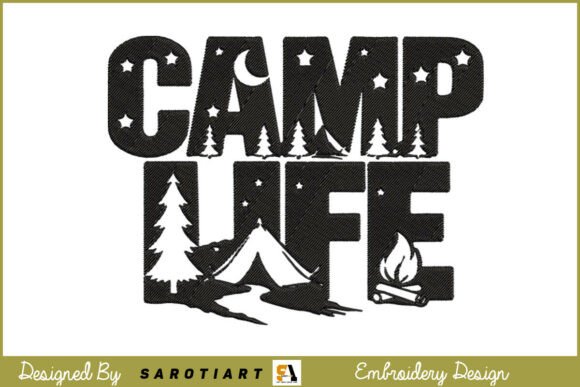
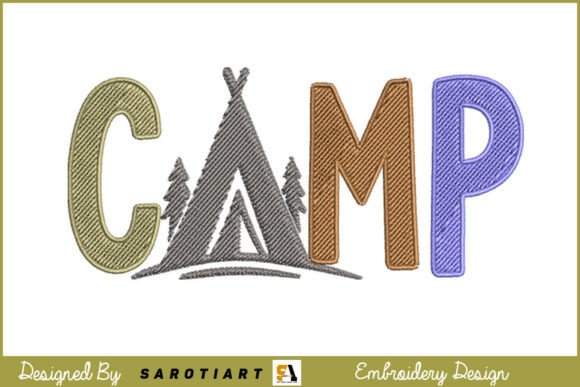
As a professional embroidery designer and product reviewer, I approach every new machine embroidery design with a critical eye. It is not enough for a digital file to look appealing on a screen; it must perform under the needle and translate into a high-quality finished product. When evaluating the Adventure Camping Embroidery Design, specifically the Love Hands Line Art variation, my primary focus is on versatility and stitch integrity. This design bridges the gap between outdoor aesthetics and sentimental value, making it a unique candidate for both personal projects and commercial inventory.
First Impressions: Balancing Line Art and Outdoor Themes
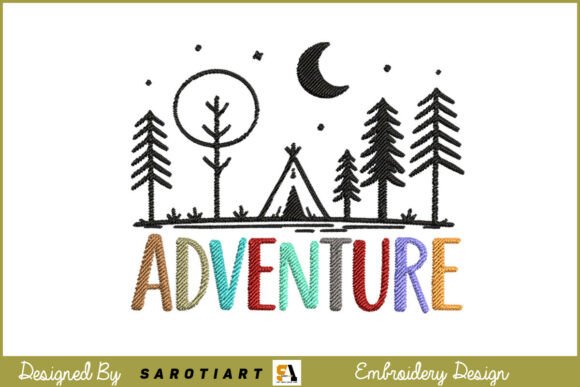
The immediate visual impact of this embroidery project lies in its stylistic choice. Unlike traditional camping designs that rely heavily on dense fill stitch areas to depict tents or trees, this design utilizes line art. From a digitizing perspective, this is significant. Line art relies on precision rather than coverage. The "Love Hands" motif adds an emotional layer to the standard camping theme, shifting the mood from rugged survivalism to cozy nostalgia. For an Etsy seller or boutique owner, this distinction matters. It suggests a product that appeals to families, couples, and those seeking a softer aesthetic for their outdoor gear or apparel.
However, line art presents specific challenges. In my initial assessment, I am looking at the continuity of the running stitch paths. Does the design have excessive jump stitches? Is the line weight consistent? These factors determine whether the design will look professional on a tote bag design or if it will appear sketchy and unfinished. The layout appears balanced, suggesting it would center well on garments without requiring excessive repositioning during the hooping process.
Real-World Application: Stitching a Custom Canvas Tote
To truly understand the value of this digital embroidery file, I mentally simulate a real production scenario. Let us consider creating a custom canvas tote bag for a summer camp fundraiser or a glamping business. Canvas is a textured fabric, which can sometimes swallow fine details. Because this Adventure Camping Embroidery Design uses line art, I would be testing how well the needle penetrates the weave without causing puckering.
In this scenario, the design serves as more than just decoration; it acts as branding. If I were producing these for a craft business, I would pair the graphic with a simple, bold font below it. The open nature of the line art allows for easy customization without overcrowding the hoop size. For a sweatshirt embroidery project, the placement would likely be left-chest or centered. The lighter stitch count associated with line art makes it ideal for apparel because it maintains the drape of the fabric. Heavy, dense patches on a lightweight t-shirt can cause sagging, but this design’s architecture avoids that pitfall, making it suitable for custom apparel across various weights.
Fabric Compatibility and Stabilizer Strategy
While the description notes suitability for kids’ clothing and signs, practical experience dictates caution. Not all fabrics treat line art equally. Here is my technical breakdown for using this design effectively:
- Stretchy Fabrics: When applying this to t-shirts or baby onesies, a cut-away stabilizer is non-negotiable. Line art can distort easily on knits if the fabric shifts during stitching. Use a fusible mesh to keep the garment stable without adding bulk.
- Textured Surfaces: For tea towels or burlap-style signs, consider using a water-soluble topping. This prevents the running stitches from sinking into the fabric texture, ensuring the "Love Hands" detail remains crisp and visible.
- Dark Fabrics: Line art relies on contrast. On dark navy or forest green materials, verify your thread colors before committing. A white or cream thread usually offers the best pop, but you may need to increase the stitch length slightly to prevent the thread from disappearing into the dark background.
- Delicate Items: For baby embroidery, ensure the back of the stitching is smooth. Line art can sometimes leave rough knots on the reverse side. Using a soft backing or lining the garment might be necessary for infant wear.
Commercial Viability for Sellers and Makers
For those running a handmade shop, the Adventure Camping Embroidery Design offers distinct advantages. First, the stitch time is generally lower for line art compared to complex scenic designs. In a commercial embroidery environment, time equals money. Faster run times mean higher margins on items like caps, aprons, and pillow covers.
Furthermore, the gender-neutral and age-inclusive nature of the design expands your potential customer base. It works equally well as a personalized gift for a grandfather who loves hiking or as nursery decor for a woodland-themed room. When listing this as a small shop product, I recommend showcasing it on multiple substrates. Create a printable mockup showing the design on a mug, a hat, and a blanket. Customers often struggle to visualize line art; seeing it applied helps bridge the gap between digital asset and tangible good.
However, always verify the licensing terms of the embroidery file before selling. While the design is marketed for various projects, confirm whether you are permitted to sell finished goods, digital transfers, or both. Protecting your business means respecting intellectual property while maximizing your creative output.
Critical Considerations and Potential Pitfalls
No design is without limitations. As a reviewer, I must highlight where the Adventure Camping Embroidery Design requires careful handling. Small details in line art can be lost if resized too drastically. Reducing the design by more than 20% may cause the running stitches to overlap or become indistinct. Always check the minimum recommended size in your software.
Additionally, be wary of curved surfaces. While the description mentions signs, placing line art on a structured cap can be tricky. The curvature can distort straight lines, making the "hands" look misaligned. If attempting embroidered patch creation or cap decoration, test on a flat surface first or use a specialized cap hoop and backing to maintain structural integrity.
Finally, consider washability. Line art typically has less anchoring than satin or fill stitches. For items destined for frequent laundering, such as kids’ clothing or kitchen linens, ensure the design includes adequate tie-offs and lock stitches at the beginning and end of color changes. If the file lacks these, add them manually in your machine software to prevent unraveling after three wash cycles.
Designer Notes for Optimal Results
Before loading this design into your machine for a final project, adhere to these professional best practices:
- Test Stitch: Never skip this step. Stitch the design on scrap fabric that matches your final project’s weight and texture. Inspect the registration and tension.
- Contrast Check: View the design in black and white within your software. This reveals whether the values work without relying on color differentiation.
- Needle Selection: For line art, a sharp needle (like a 75/11) often produces cleaner holes than a ballpoint, especially on woven fabrics like canvas or denim.
- Thread Weight: Standard 40wt polyester or rayon is typical, but for a bolder line on heavy tote bags, consider a 30wt thread. Conversely, for intricate details on baby embroidery, a 60wt thread may reduce bulk.
- Mockup Validation: Before listing a new product, photograph your test stitch in natural light. Digital renders do not capture thread sheen or fabric interaction. Real photos build trust with buyers looking for quality design assets.
The Adventure Camping Embroidery Design represents a thoughtful intersection of sentiment and utility. Its line art construction makes it accessible for hobbyists while offering the efficiency required by professionals. By understanding its behavior on different fabrics and respecting the technical requirements of running stitch designs, makers can transform this digital file into cherished, durable goods. Whether you are crafting a holiday gift or stocking your Etsy shop for the summer season, this design provides a reliable foundation for creative expression.