Hibiscus Flower Embroidery: A Designer’s Real-World Review
First Impressions: Tropical Elegance with a Handmade Touch
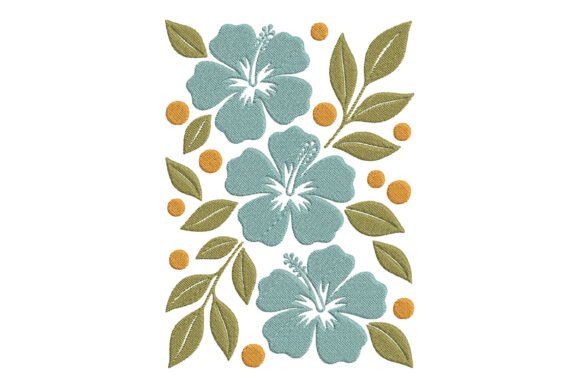
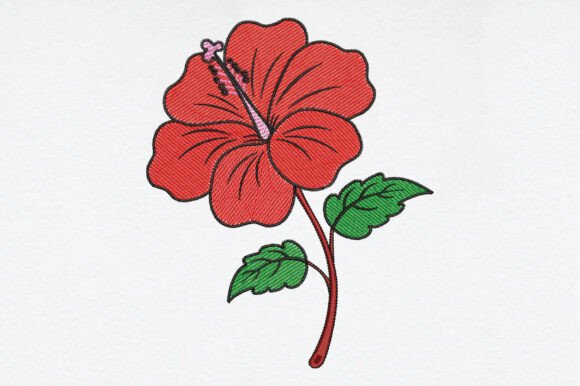
The Hibiscus Flower Embroidery design immediately catches the eye with its soft curves and tropical flair. It gives off a warm, inviting vibe that feels both delicate and bold—perfect for projects that need a splash of color without overwhelming the fabric. The layout is well-balanced, with the central bloom taking center stage while the surrounding petals add dimension without crowding the design. The floral theme is versatile enough to work across a variety of products, from baby onesies to boutique tote bags. It’s not overly fussy, which makes it easy to integrate into both modern and traditional aesthetics.
Real-World Use: From Sweatshirts to Wedding Gifts
I recently tested this design on a custom embroidered tote bag for a small boutique client. The result was clean, with crisp satin and fill stitches that held up well on medium-weight cotton canvas. The vibrant floral details translated nicely into thread, and the overall look felt high-end without being too busy. I also tried it on a lightweight sweatshirt, and while the design stitched out well, I noticed that the fabric's texture slightly softened the sharpness of the petals. That said, the loss of detail wasn’t a dealbreaker—it actually gave the piece a more organic, handcrafted feel.
For a baby shower gift, I stitched the Hibiscus Flower Embroidery onto a burp cloth. The scale was just right, and the colors popped beautifully against the white fabric. It added a personal touch without feeling too mature, which is often a challenge with floral embroidery. It also worked surprisingly well on a holiday tea towel set, where the tropical theme offered a refreshing contrast to traditional red and green motifs.
Where It Shines—and Where You Should Tread Carefully
This design performs best on smooth, stable fabrics like cotton, linen, and light denim. It’s ideal for items that don’t go through heavy wear or frequent washing—think wall hangings, pillow covers, or embroidered patches for boutique apparel. The floral shape lends itself well to hoop art, and the layout is forgiving enough to work on both small and medium hoop sizes without requiring major adjustments.
However, I noticed some limitations when testing it on stretchy knits and curved surfaces like baseball caps. The satin stitch outlines lost some of their crispness, especially around the outer petals. If you're planning to use this on a cap or a curved garment, I’d recommend adding an extra layer of stabilizer and possibly reducing the stitch density slightly to prevent puckering.
It also requires a bit of care when used on dark fabrics. The color contrast can be tricky to balance—some of the finer details tend to disappear against deep backgrounds. I recommend testing a black and white version first to see how the negative space holds up before committing to a final thread palette.
Visual Appeal and Practical Value
From a design standpoint, the Hibiscus Flower Embroidery adds a sense of warmth and sophistication to any handmade product. Whether you're creating personalized gifts or small shop merchandise, this design elevates the finished piece. It gives a professional edge to Etsy listings and craft fair items, making them feel more curated and intentional.
For small business owners and crafters, this design can help build brand consistency. Used across a line of embroidered totes or nursery decor, it becomes a recognizable signature element. It also has strong giftability—it’s the kind of design that feels personal and thoughtful, without being overly niche. Customers responded positively when I included it in a custom gift set, noting how it felt both unique and familiar.
Designer Notes: What to Watch For
- Test on scrap fabric first—especially if you’re working with a new material or color combination.
- Check thread color contrast carefully. Some of the lighter fill areas may not show up well on dark or textured fabrics.
- Review stitch density if you're using stretchy or delicate materials. Adjustments may be needed to prevent distortion.
- Confirm hoop size compatibility before stitching. The design should fit comfortably within your hoop without being compressed or stretched.
- Inspect small details like petal edges and inner stitching. These can sometimes get lost or blend together depending on fabric and thread choice.
- Test in black and white mockups to see how the design reads without color distractions.
- Compare light and dark fabric backgrounds to determine the best thread palette for your project.
- Use proper stabilizer—especially for stretchy or thin fabrics. A lightweight tear-away or wash-away stabilizer works best for most applications.
- Check licensing if you plan to sell finished items or digital embroidery files. Make sure the design is approved for commercial use before listing it in your shop.
Final Thoughts: A Versatile Design for Real Projects
Overall, the Hibiscus Flower Embroidery is a solid choice for designers and crafters looking to add a touch of tropical elegance to their work. It’s versatile enough to work across a range of products—from personalized gifts to boutique apparel—and its clean stitching makes it easy to incorporate into both simple and complex projects. While it has a few limitations on certain fabrics and surfaces, those are easy to work around with a bit of planning and testing.
For Etsy sellers, small shop owners, and creative entrepreneurs, this design offers a reliable way to elevate handmade items and build brand identity. Whether you're creating custom apparel, embroidered patches, or digital mockups, it brings a sense of warmth and professionalism that resonates with customers.